
The First American Tee Time

The Bronx, 2024
After playing Bethpage Black on Long Island, I didn't think New York golf could get much better. Then I heard there was a golf course right in the middle of New York City, and I knew I had to see it for myself. It turned out to be nothing like I expected.
When I plugged Van Cortlandt Golf Course into my GPS, it felt odd.
From the GPS, the route was surrounded by apartment buildings and three-lane highways, and I kept wondering how a golf course could fit into all of this. I then pulled up to what looked more like the entrance to a city park. Towering oak trees lined the road, rolling hills stretched out in front of me, and only a stone's throw from the gate sat the neighborhood deli, a laundromat, and a Starbucks. It somehow felt completely out of place.

Walking through the property, the city slowly disappeared. The only sounds were birds, runners on the paved paths, getting their steps in the fresh air and not amongst the concrete jungle surrounding them. And the distant hum of traffic rolling through the Bronx. It blended into something that almost sounded like a waterfall, making it easy to forget that thirty-story apartment buildings surrounded you.
Van Cortlandt isn't just another municipal golf course. It holds a special place in American golf history. The original nine-hole course, which opened in 1895, was the first public golf course this side of the Atlantic. As golf exploded in popularity, it expanded to eighteen holes under Tom Bendelow a few years later to accommodate the growing crowds. The course became so busy that what we now call a "tee time" was invented here to organize the endless line of golfers waiting to test their skills. It even became popular enough that a new nearby subway stop was made to get to the course more easily.
The course itself follows the natural landscape, winding through brooks, streams, and tree-lined fairways before leading you to surprisingly small greens with pin positions that seem designed to frustrate you. It's not an overpowering course, but it asks you to think your way around instead of simply hitting driver everywhere.
Before teeing off, I wandered through the clubhouse. Built in 1902, the old Tudor-style building with wood shingles looked like it's been there forever. The weathered wood, creaking floors, and dark locker room reminded me of some of the old clubhouses I'd visited in Scotland. You could almost smell the cigars and hear golfers exaggerating their scores from a hundred years ago.

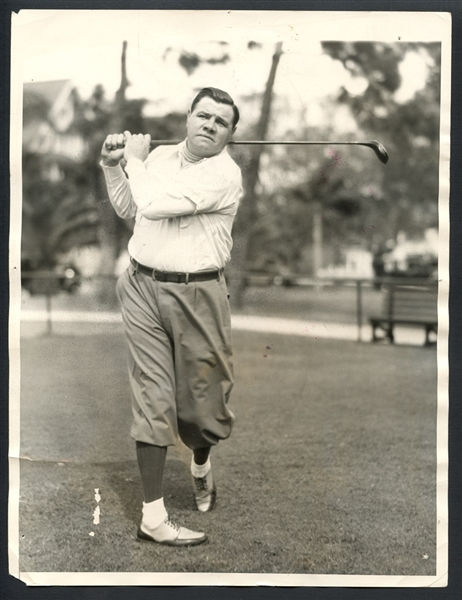
Some incredible names once had lockers here. Babe Ruth, Jackie Robinson, and even the Three Stooges all kept clubs in this very building. The old wooden locker doors, which probably wouldn't stop much more than an honest man today, added to the charm.
After spending far too much time admiring the clubhouse, it was finally time to play. As usual, my wife joined me, and before heading to the first tee, we grabbed what I was told was a proper New York breakfast—a bacon, egg, and cheese bagel. It sat in our stomachs like a brick, but it gave us enough energy to survive the round.
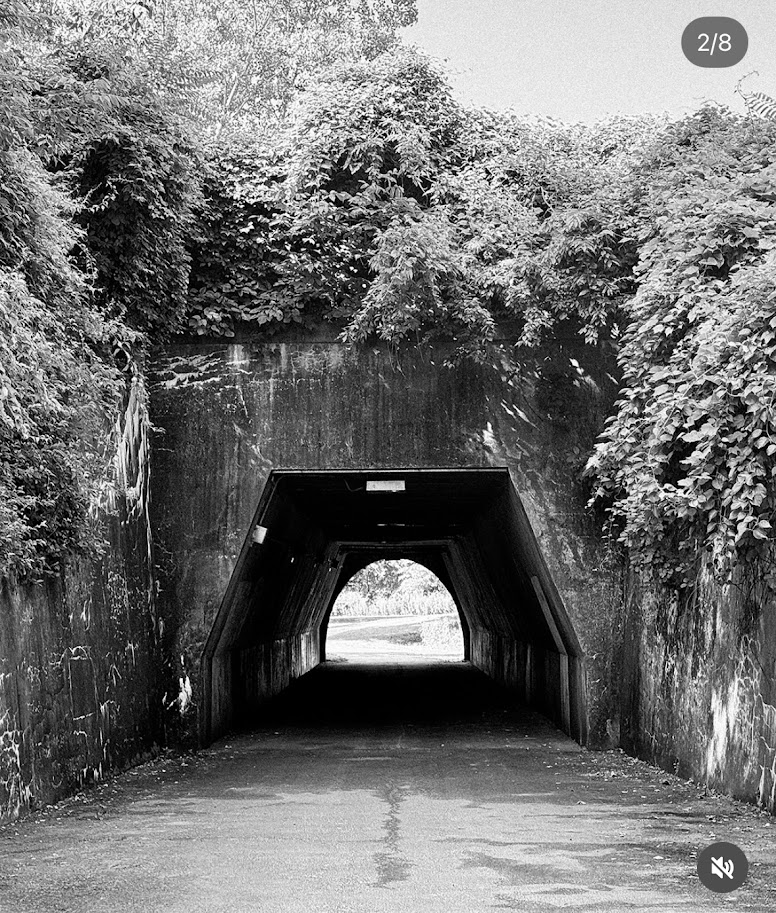
In the 1950s, the course nearly changed forever. As New York expanded its highway system, the fairways were literally cut in half to make room for new roads, requiring tunnels beneath the highways so golfers could continue from one side of the course to the other.
Robert Moses had even bigger plans that would have taken away more of the course, but the community fought back so fiercely that the project was scaled down, preserving much of what remains today.
As we played, it was hard not to appreciate what had been saved. The fairways are narrow, the trees are mature, and apartment buildings rise above the treetops, making you feel like you're playing golf on a Monopoly board. It's such a strange contrast, but it works. Somehow this peaceful little piece of history has survived in the middle of one of the busiest cities in the world because generations of people refused to let it disappear.

After the round, we hopped on the train back into Manhattan and finished the day the only way that seemed appropriate—with a pastrami on rye from Katz's Delicatessen.

Sitting there, exhausted and talking about all the shots we'd like to have back, I realized Van Cortlandt wasn't memorable because it was the hardest course I'd ever played. It was memorable because it reminded me that golf doesn't always have to be played on famous championship venues.
Sometimes the best places are not well known, but hiding in plain sight, waiting for the next golfer to walk through the door.


Great piece! Dreaming of Katz right now 🤤